
Biophilic Design with Fox & Fern
What is Biophilic Design?
Biophilic design connects people with nature in built environments by incorporating natural elements like light, plants, water, and natural materials to improve health, well-being, and productivity, rooted in the innate human affinity for nature (biophilia).
Benefits
Mental Health: Reduces stress, improves mood, boosts cognitive function, and promotes relaxation.
Physical Health: Can lower blood pressure and heart rate.
Productivity: Increases creativity and focus in workplaces and schools.
Sustainability: Encourages greener, more livable cities and buildings
Examples in Practice
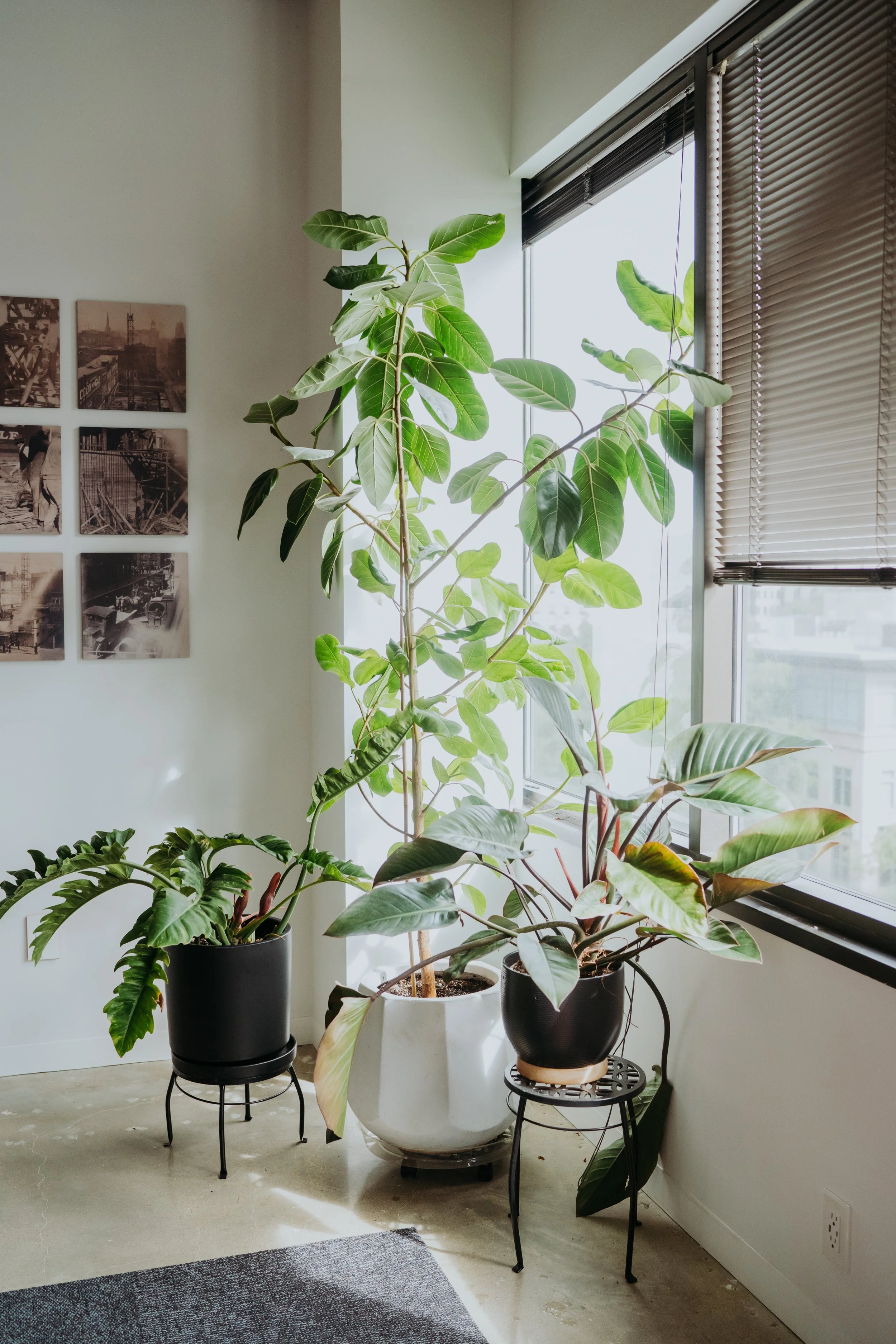
Large windows for natural light and views.
Using wood, stone, and natural fibers in decor.
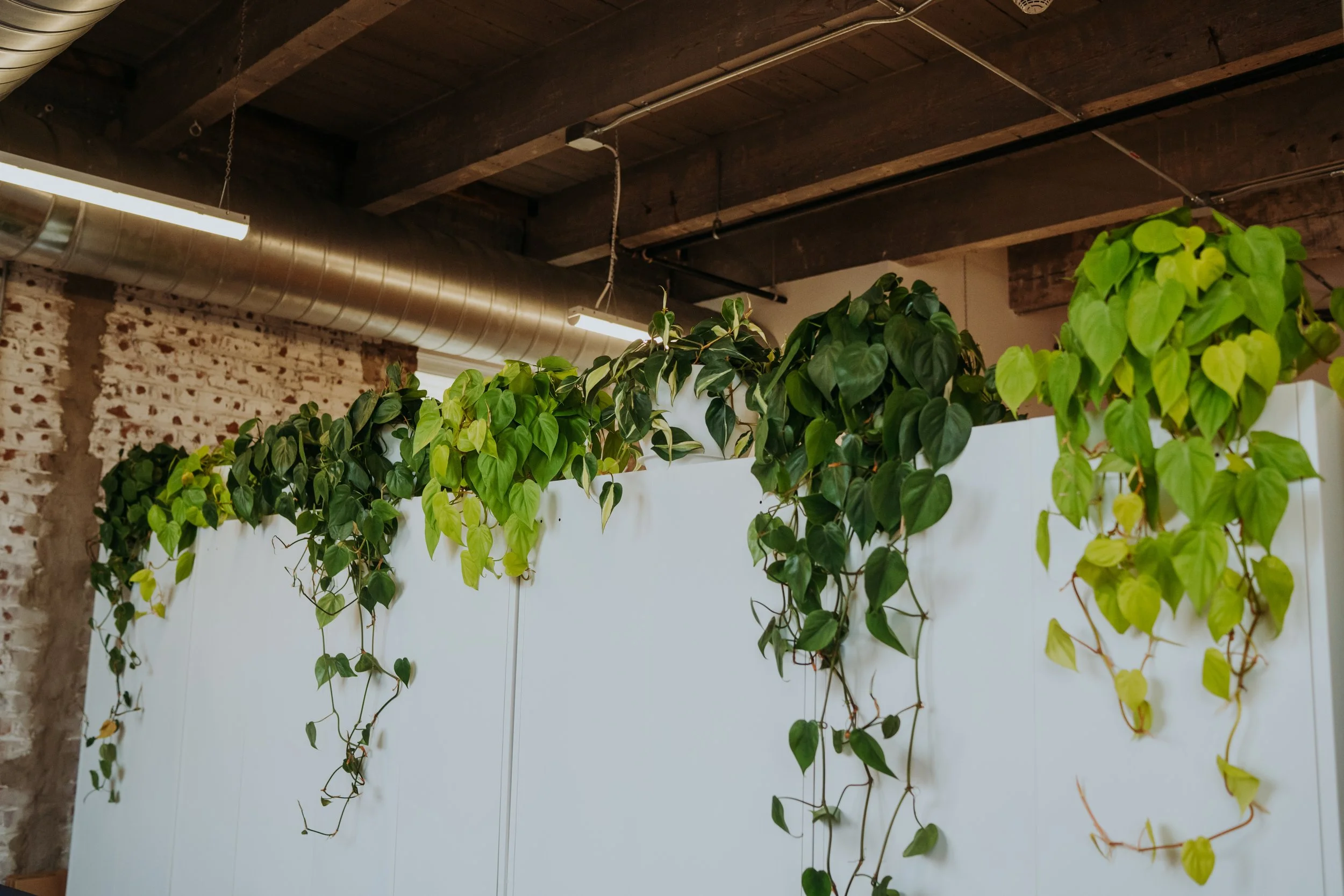
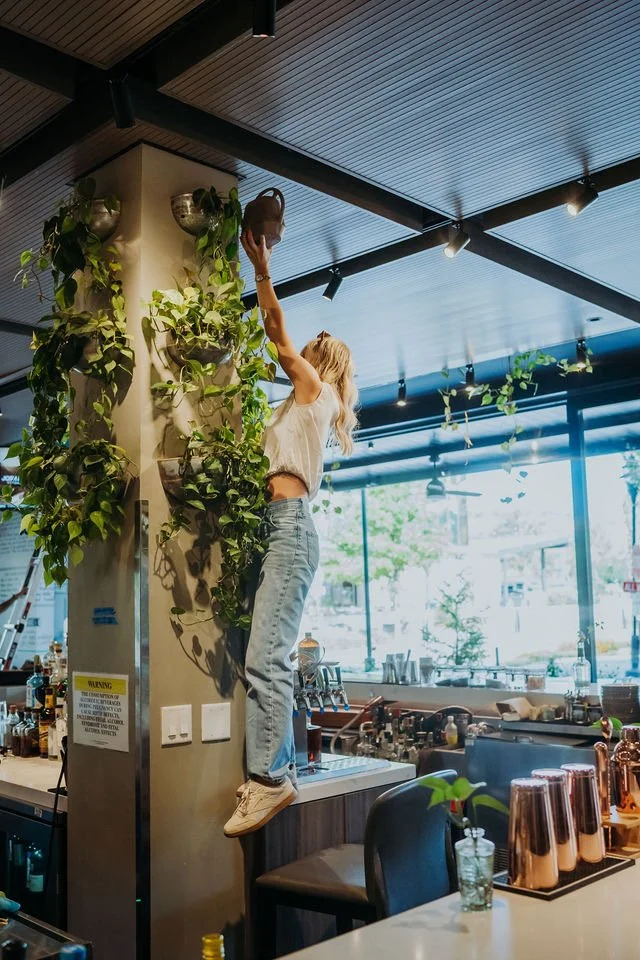
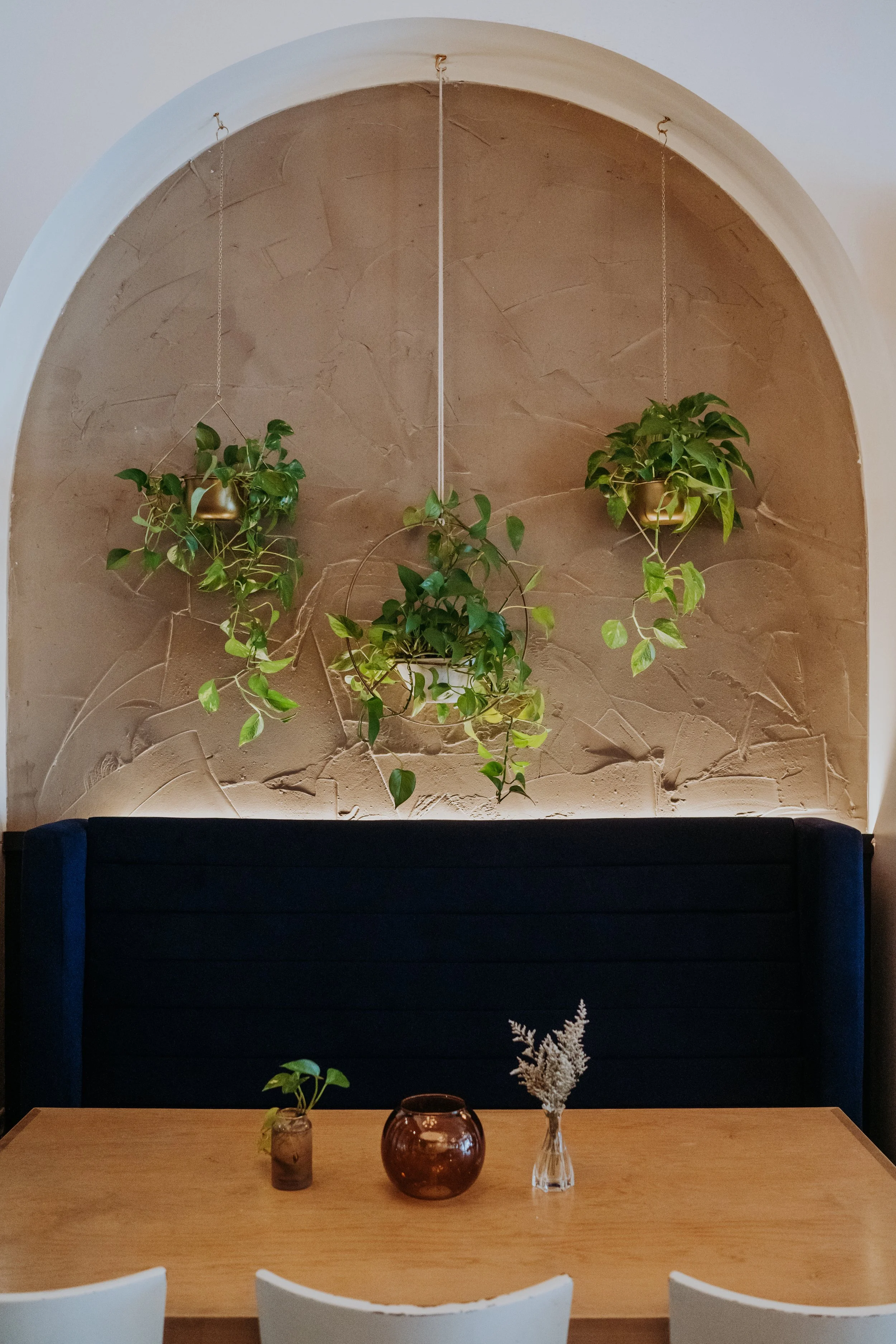
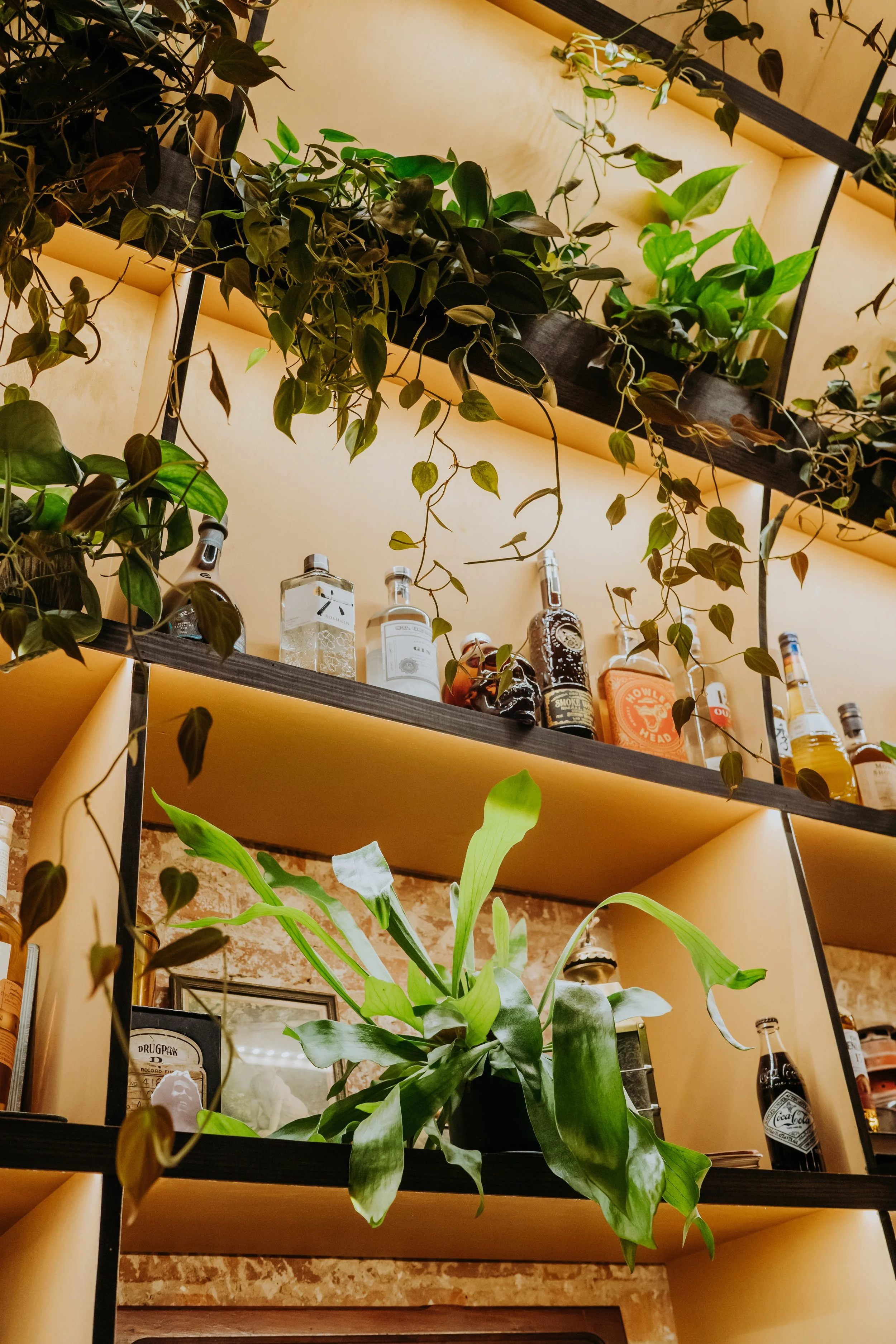
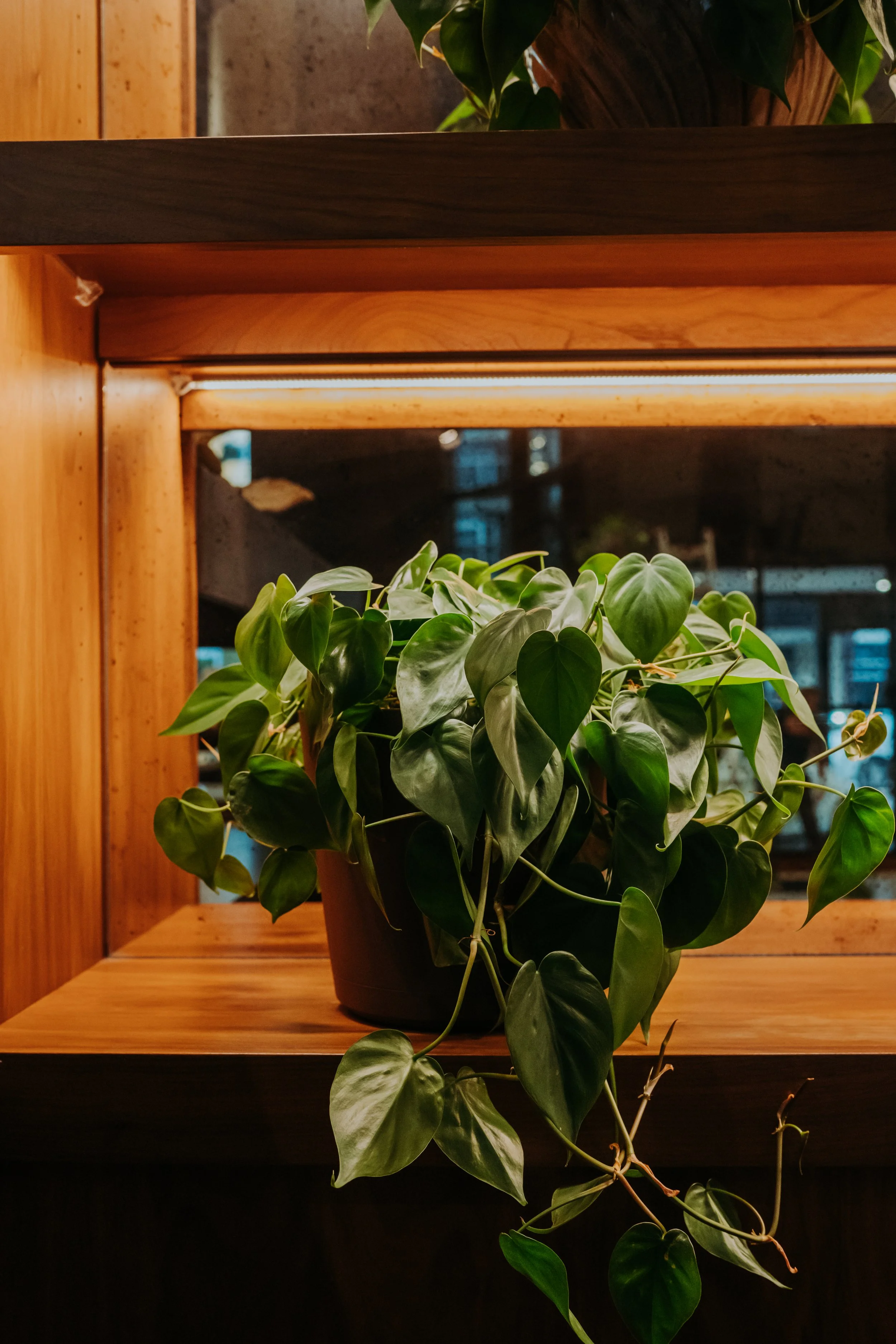
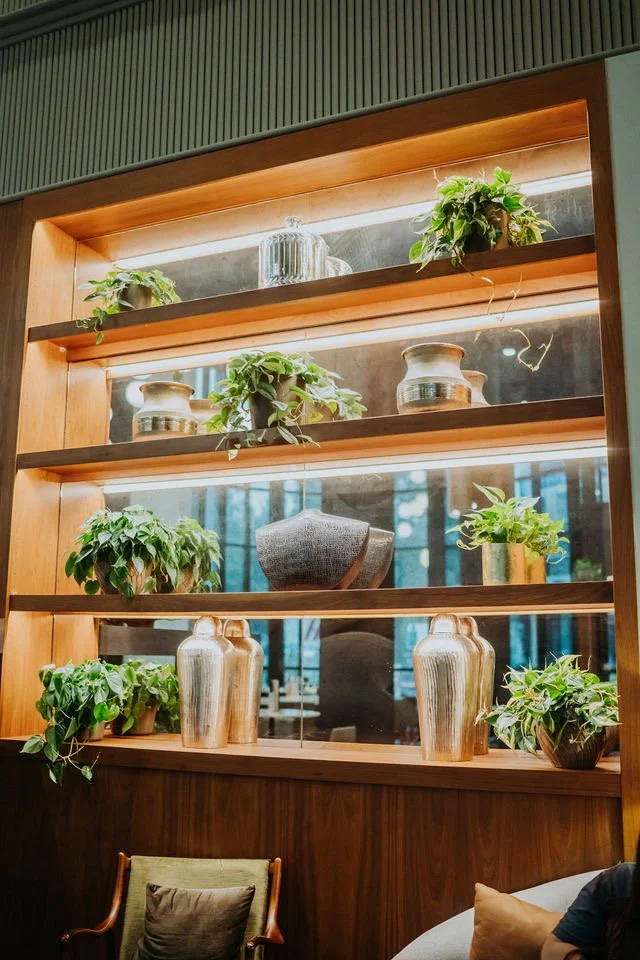
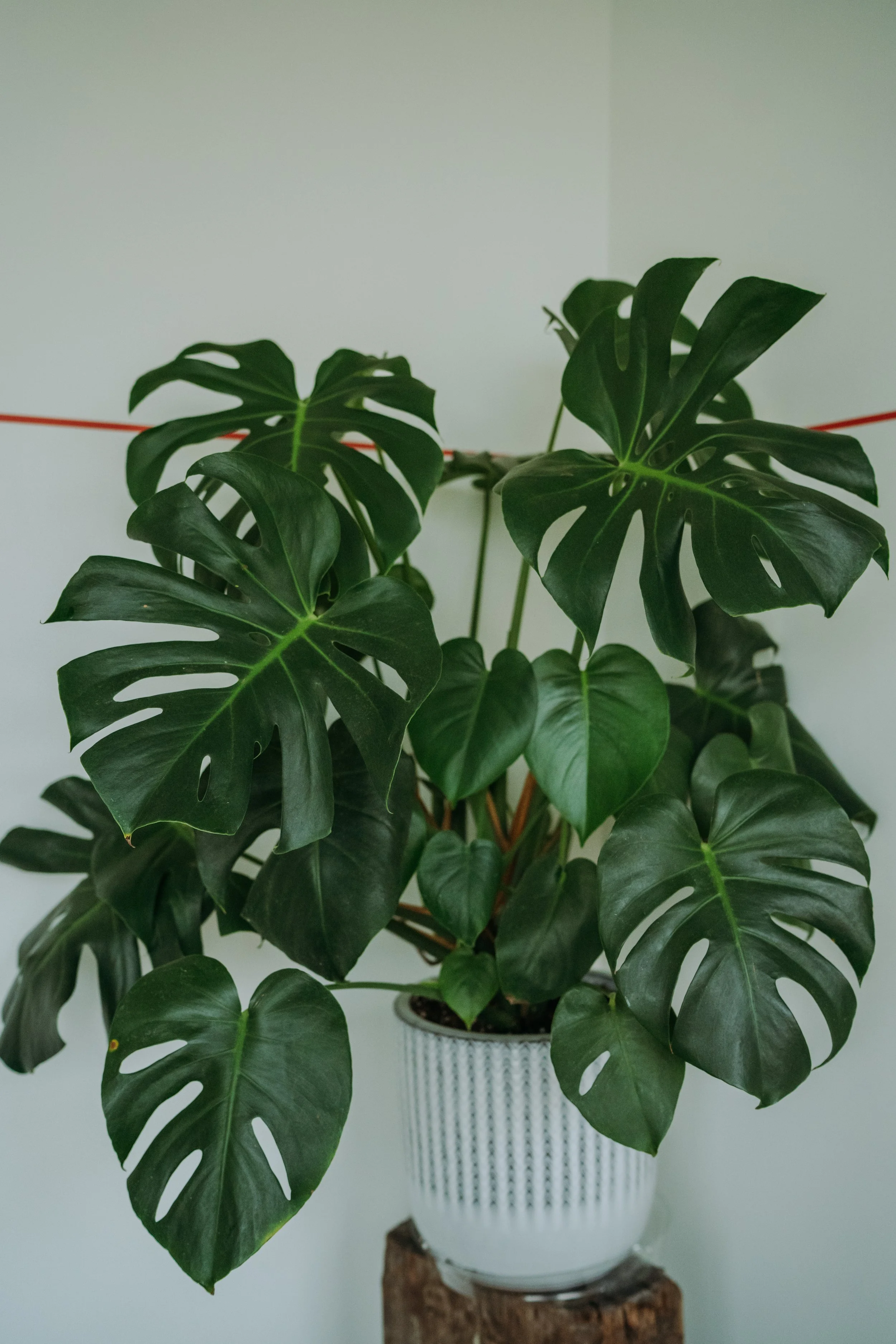
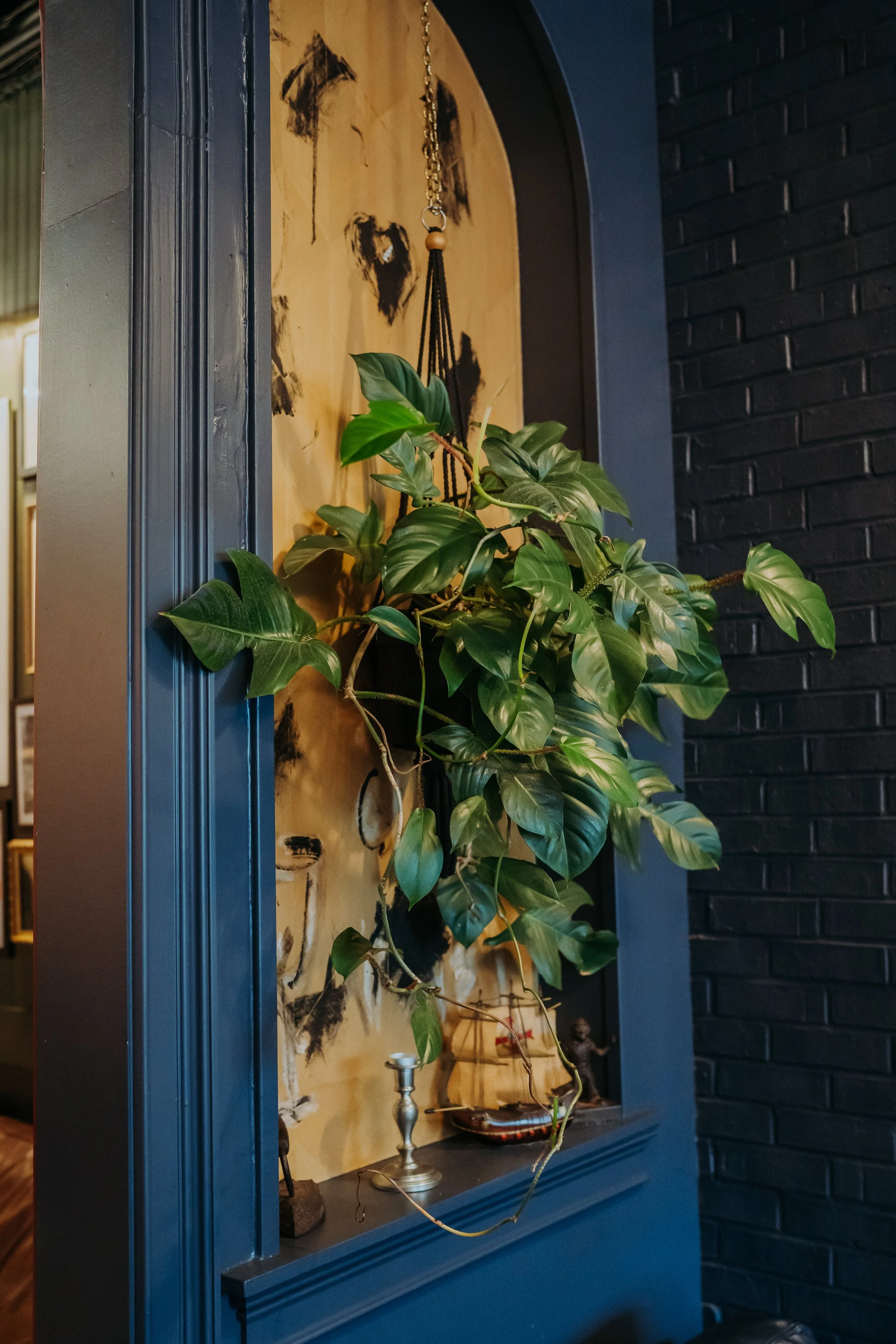
Incorporating indoor plants or green walls.
Designing open floor plans to allow light and airflow.
Using fractal patterns or nature-inspired art.
Why It Matters
As urbanization increases, biophilic design addresses the human need for nature, creating environments that are not just functional but also nurturing and restorative, making spaces feel more alive and connected to the natural world.
Biophilic Design Services:
Consultation and Planning:
Assessment: Evaluate the space, lighting, climate, and aesthetic preferences.
Design Goals: Determine the purpose (e.g., indoor air purification, aesthetic appeal, low-maintenance).
Plant Selection: Choose plants that suit the environment and meet your needs (e.g., low-light, high-humidity, pet-friendly).
Design and Layout:
Conceptual Design: Create a visual representation of the plant arrangement.
Space Planning: Arrange plants to maximize space, considering growth patterns and maintenance.
Container and Accessory Selection: Choose pots, planters, and stands that complement the design.
Implementation:
Plant Installation: Set up the plants and containers according to the design.
Soil and Fertilization: Ensure the right soil and nutrients for healthy plant growth.
Irrigation Setup: Install any necessary irrigation systems or watering solutions.
Maintenance Planning:
Care Schedule: Develop a schedule for watering, fertilizing, and pruning.
Troubleshooting: Provide guidance on common plant issues and solutions.
Plant Care Services:
Regular Maintenance:
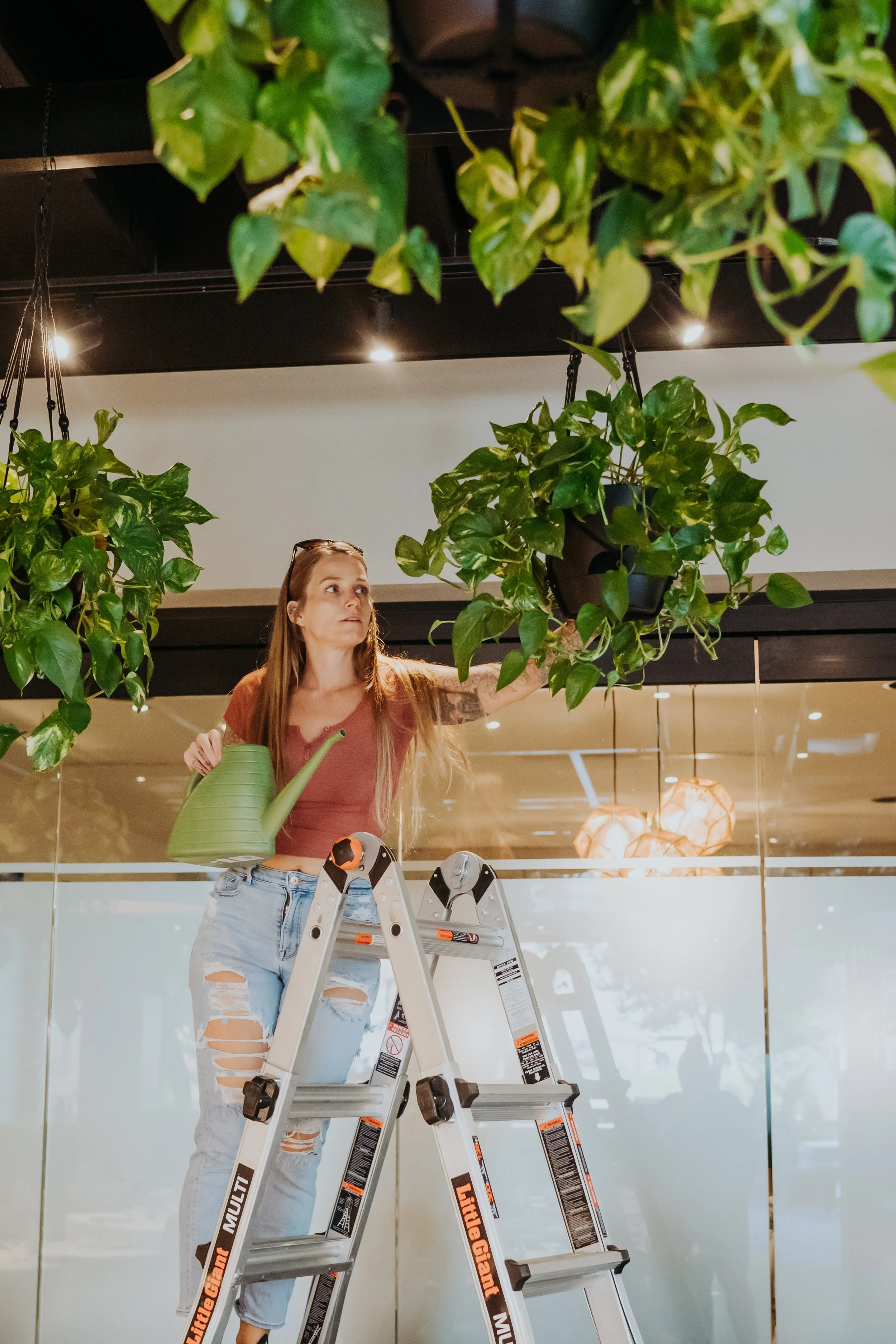
Watering: Routine watering based on plant needs and environmental conditions.
Fertilizing: Periodic feeding with appropriate fertilizers.
Pruning and Trimming: Remove dead or overgrown parts to promote healthy growth.
Health Monitoring:
Pest and Disease Control: Identify and address issues with pests or plant diseases.
Environmental Adjustments: Adjust light, humidity, and temperature as needed.
Seasonal Care:
Repotting: Re-pot plants when they outgrow their containers.
Seasonal Adjustments: Adapt care routines to seasonal changes (e.g., adjusting watering frequency in winter).
Special Treatments:
Soil Testing and Amendment: Test and amend soil to ensure it’s suitable for plant health.
Plant Restoration: Revive plants that have been neglected or are struggling.
Educational Support:
Training and Tips: Provide advice on plant care and maintenance techniques.
Workshops and Resources: Offer educational resources or workshops for ongoing plant care knowledge.
If you need help with specific plants or spaces, or if you're interested in professional services, local plant care experts and designers can offer tailored solutions to meet your needs.
Email Myrissa: plants@foxandfernstyle.com